
How to Choose a Commercial Display Refrigerator for Retail and Foodservice
September 3, 2026
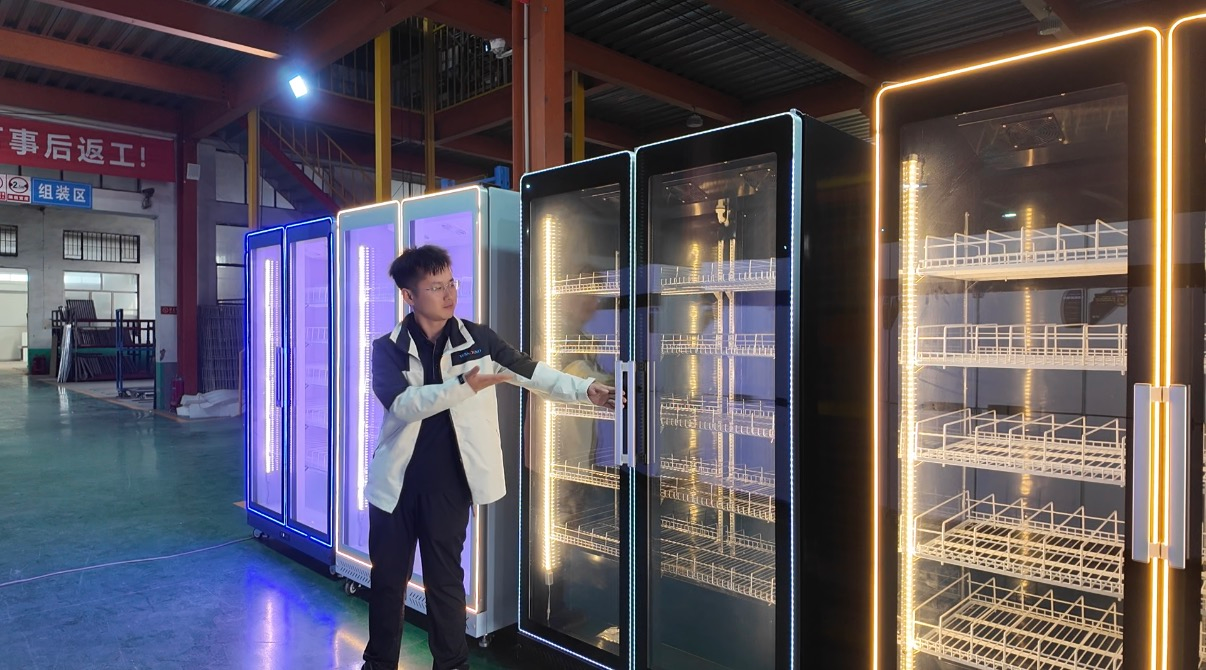
A commercial display refrigerator does more than keep products cold. It helps customers see the products, supports faster replenishment, and can influence energy use, store layout and daily operating costs.
For supermarkets, convenience stores, cafés, restaurants and hotel foodservice operations, the right display refrigerator depends on the products being stored, the available floor space, the ambient temperature and the way customers interact with the cabinet.
This guide explains the key factors to consider before selecting a commercial display refrigerator from a manufacturer.
1. Start With the Retail Application
The first question is not “Which refrigerator looks best?” It is “What will this cabinet be used for?”
Different commercial environments need different types of display refrigeration:
- Supermarkets and grocery stores: Multideck open display chillers, glass-door display fridges and island freezers are often used for dairy, drinks, chilled foods, frozen foods and grab-and-go products.
- Convenience stores: Compact upright glass-door refrigerators and beverage coolers help maximize sales per square meter.
- Cafés and restaurants: Back-bar beverage coolers, countertop display cabinets and refrigerated prep tables support service speed and ingredient storage.
- Hotels and catering operations: Stainless-steel upright refrigerators, display cabinets and prep counters must balance storage, hygiene and workflow.
Before requesting a quotation, prepare a simple list of the products you want to display: bottled drinks, dairy, sandwiches, frozen food, fresh meat, desserts or prepared meals. This will determine the correct temperature range, shelving layout and door configuration.
2. Choose the Right Cabinet Type
Commercial display refrigerators are available in several common formats.
Upright Glass-Door Display Refrigerator
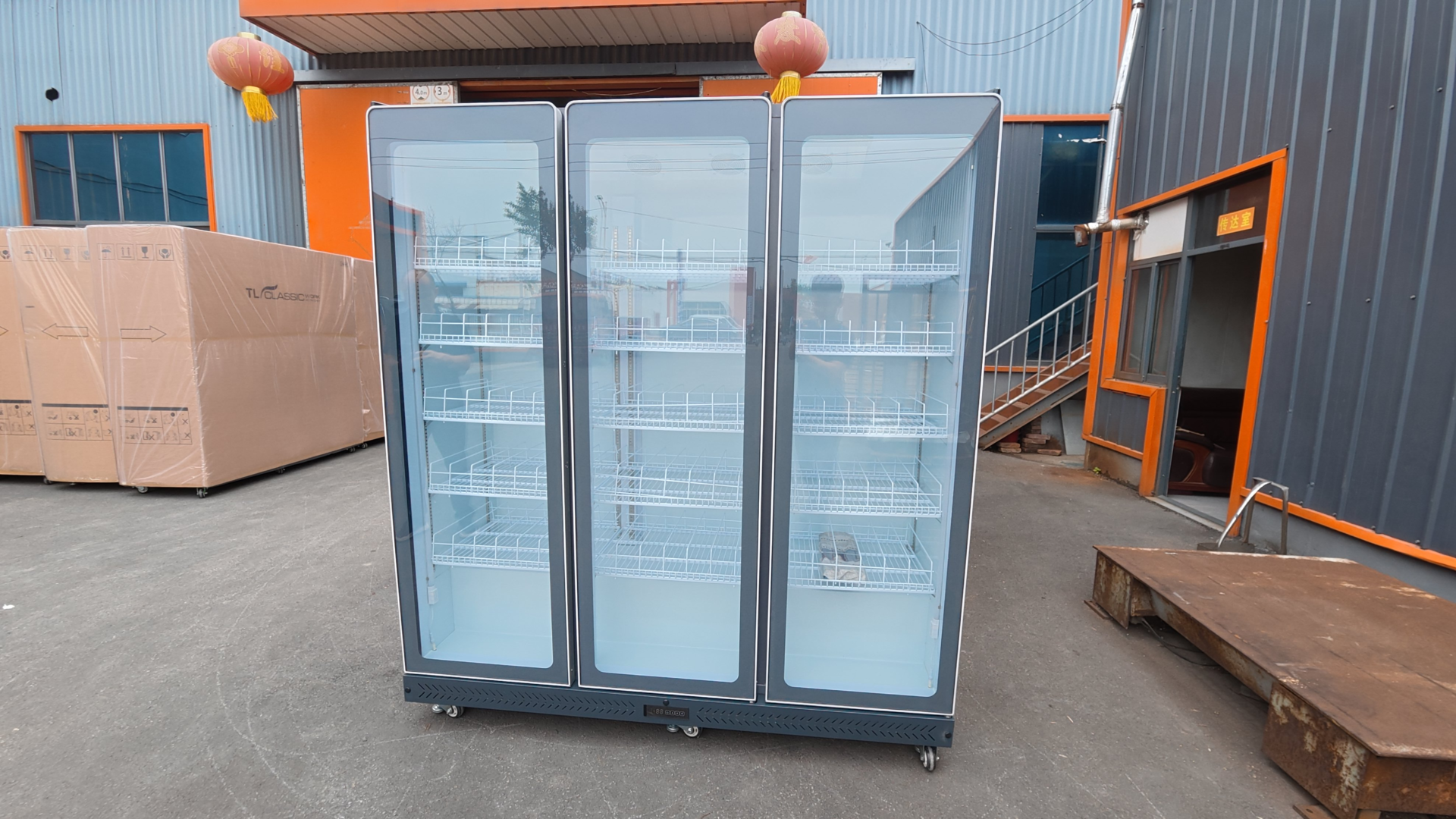
An upright glass door display refrigerator is suitable for beverages, dairy products, packaged food and retail chilled products. Glass doors improve product visibility while helping reduce cold-air loss compared with open-front cabinets.
As a glass door merchandiser, this type is commonly used in convenience stores, supermarkets, cafés and restaurant front-of-house areas.
Open Display Merchandiser
An open display merchandiser, often called a multideck display chiller, gives customers easy access to products. It is widely used for dairy, fresh produce, chilled drinks, sandwiches and ready-to-eat food.
Open cabinets can improve impulse sales, but they require careful consideration of store air conditioning, product loading and ambient temperature.
Beverage Cooler
Commercial beverage coolers are designed for bottled drinks, canned drinks, beer and other packaged beverages. When selecting a drink cooler for a busy retail environment, buyers should consider door style, internal lighting, shelf strength, branding space and the expected daily opening frequency.
Display Freezer or Island Freezer
Display freezers and island freezers are suitable for ice cream, frozen food, seafood and packaged frozen products. The right choice depends on whether customers need self-service access, a clear product view or high-volume frozen storage.
3. Match Capacity to Product Turnover
A larger cabinet is not always the better choice. Capacity should match the amount of stock you need to display and how frequently staff can replenish products.
Consider:
- Available wall or floor space
- Number of doors or shelves required
- Product package size
- Daily sales volume
- Delivery and restocking schedule
- Whether the cabinet is for display, storage or both
For example, a high-volume supermarket beverage section may need several large upright display refrigerators, while a small café may only need one compact glass-door cooler.
Ask the manufacturer for external dimensions, internal volume, shelf quantity and loading capacity before making a decision.
4. Consider Cooling System and Temperature Stability
Commercial refrigeration equipment commonly uses direct cooling or fan-assisted cooling systems.
Fan-assisted cooling can help distribute cold air more evenly inside the cabinet. It is often suitable for products that need consistent temperature across multiple shelves.
Direct cooling can be appropriate for some storage applications and may offer a different balance of humidity, energy use and maintenance requirements.
The best system depends on the cabinet type and the products stored. Fresh food, beverages, frozen goods and prepared meals do not always require the same cooling solution.
Buyers should confirm:
- Operating temperature range
- Defrost method
- Compressor location
- Refrigerant type
- Noise level
- Temperature recovery after door opening
- Electrical requirements
5. Plan for Ambient Temperature
Ambient temperature has a major effect on commercial refrigeration performance.
A refrigerator used in a climate-controlled indoor store has different requirements from equipment used in hot regions, near kitchen heat sources or in high-traffic retail environments.
If your project is located in a hot climate, ask the manufacturer to confirm the cabinet’s intended operating conditions. Important questions include:
- What ambient temperature is the unit designed for?
- Can it operate reliably during peak summer conditions?
- Is the condenser suitable for dusty or humid environments?
- What maintenance is required to maintain performance?
- Is the electrical configuration suitable for the destination market?
Do not select equipment based only on cabinet appearance or internal volume. The operating environment is equally important.
6. Check Energy, Visibility and Daily Usability
A commercial display refrigerator should be practical for both customers and store staff.
Useful features may include:
- Energy-saving LED interior lighting
- Adjustable shelves
- Clear glass doors
- Easy-to-clean interior surfaces
- Lockable doors where required
- Heavy-duty casters or adjustable feet
- Digital temperature controller
- Easy access for condenser cleaning
- Replaceable door gaskets
For retail display, good lighting and product visibility can help customers find products quickly. For back-of-house use, easy cleaning, durable shelves and reliable temperature control may be more important.
7. Ask for a Complete Specification Before Ordering
A quotation should include more than a product photo and model number.
Request a clear specification sheet covering:
- Model number
- External dimensions
- Internal capacity
- Temperature range
- Refrigerant
- Compressor brand or configuration
- Cooling method
- Voltage and frequency
- Plug type
- Shelf quantity
- Net and gross weight
- Packaging dimensions
- Certification availability
- Lead time
This information helps buyers compare products accurately and avoid problems after delivery.
8. Consider OEM and Private-Label Requirements
For distributors, supermarket chains and project contractors, standard products may need customization.
Common OEM or private-label requirements include:
- Custom cabinet color
- Brand logo and lightbox
- Voltage and plug adaptation
- Packaging design
- Model-number system
- Language-specific manuals
- Shelf configuration
- Door style
- Climate-class requirements
Discuss these requirements before production begins. A detailed specification sheet and confirmed drawing reduce the risk of misunderstandings.
Final Checklist Before You Request a Quote
Before contacting a commercial refrigeration manufacturer, prepare the following information:
- Product type to be displayed
- Required temperature range
- Cabinet dimensions or available installation space
- Quantity required
- Destination country
- Voltage and frequency
- Ambient temperature conditions
- Whether branding or OEM customization is required
- Required certifications
- Target delivery date
A clear inquiry helps the supplier recommend the correct commercial display refrigerator and provide a more accurate quotation.
For more commercial refrigeration options, browse the Yichuhui product catalog or review the commercial refrigeration FAQ.
Need help selecting the right model? Yichuhui (Zibo) Refrigeration Equipment Co., Ltd. is a 20+ year manufacturer of commercial glass-door display refrigerators and beverage coolers, serving distributors and retail chains in 60+ countries. Send us your product list and store conditions — we will recommend the correct cabinet and provide a quotation within 24 hours.
📩 WhatsApp: +86-187-1914-6627 Email: sale2@yichuhui-cooling.com
🌐 Browse our product catalog · Commercial refrigeration FAQ